Floor lights often enter a home as an afterthought, added when something feels missing in the room. Yet they quietly shape how interiors function after sunset. Unlike ceiling fixtures, floor lights respond directly to everyday habits. They support evening routines, soften sharp contrasts, and influence how a space feels when natural light fades. Using floor lights well is less about decoration and more about observation. Where do you sit in the evening? Which corners feel dark or uncomfortable? And how does light affect your mood at the end of the day? This article looks at floor lights from a practical perspective, focusing on daily use rather than visual statements. The aim is to help you understand how these light sources work in real interiors and how small decisions can noticeably change how a room feels.
Why floor lights change how a room is used
Lighting strongly influences behavior. Bright overhead light supports tasks, but it often feels harsh in the evening. Floor lights introduce a softer layer that encourages slower rhythms. They create areas for reading, resting, or quiet conversation without lighting the entire room.
In many homes, floor lights become signals of transition. Turning one on can mark the end of work and the beginning of rest. This subtle role explains why placement and light direction matter more than style alone.
Observing daily habits before placement
Before deciding where to place a floor lamp, it helps to watch how the room is actually used. Notice where you sit after dinner, where you read, or where you tend to move in low light. These patterns reveal where additional light feels natural rather than forced.
For example, a lamp placed next to a sofa often supports reading or scrolling on a phone. A lamp in a corner may soften shadows and visually expand the room. Floor lights work best when they respond to behavior instead of trying to redefine it.
Height, direction, and light spread
The height of a floor light affects how light travels through a space. Taller lamps with upward-facing shades reflect light off walls and ceilings, creating a gentle glow. Lower lamps focus light closer to eye level, shaping more intimate zones.
Adjustable arms or rotating heads allow light to adapt throughout the day. In practice, this flexibility often proves more useful than fixed designs, especially in shared spaces with changing needs.
Using floor lights alongside other sources
Floor lights rarely work alone. They usually complement ceiling fixtures, wall lights, or table lamps. Together, these layers create depth and balance.
A common approach is to reduce overhead lighting in the evening and rely on floor lights for atmosphere. This shift lowers contrast and reduces visual fatigue. It also allows different parts of the room to feel active or calm at different times.
Material and shade choices in daily life
The materials used in floor lights influence how light behaves. Fabric shades diffuse light and soften edges. Metal or glass shades direct light more sharply and create clearer shadows.
These effects become noticeable over time. A translucent shade may feel calming but provide less focused light. A solid shade may support reading but feel intense in small rooms. Understanding these trade-offs helps set realistic expectations.
Floor lights in small spaces
In compact interiors, floor lights can replace bulkier lighting solutions. Slim designs fit behind sofas or beside shelves without dominating the room. Vertical light also draws the eye upward, making spaces feel taller.
However, placement requires care. Lamps placed too close to walking paths may feel intrusive. Observing movement patterns helps avoid frustration during everyday use.
Open-plan rooms and visual zones
In open-plan layouts, floor lights help define zones without physical barriers. A lamp near a seating area visually separates it from a dining or work space.
This approach supports flexibility. As activities change, the lighting can shift with them. Floor lights make it easier to adapt a single space to multiple purposes throughout the day.
Light color and evening comfort
Color temperature plays a major role in how floor lights affect mood. Warmer light often feels more relaxing in the evening, while cooler light supports focus.
Choosing bulbs thoughtfully changes how the same lamp feels at different times. Dimmable options add another layer of control, allowing the light to match energy levels rather than dictate them.
Maintenance and long-term use
Floor lights experience daily interaction. They are switched on and off frequently, moved during cleaning, or adjusted for comfort. Stable bases and durable materials reduce annoyance over time.
Dust accumulation on shades affects light quality. Regular cleaning keeps light output consistent and prevents the room from feeling dimmer than intended.
Adapting lighting as routines change
Daily routines evolve. A reading corner may become a work spot. A living room may host more social gatherings. Floor lights adapt easily to these changes because they are movable and independent.
Repositioning a lamp can refresh a room without major effort. This flexibility explains why many people accumulate floor lights gradually, adjusting their use as needs shift.
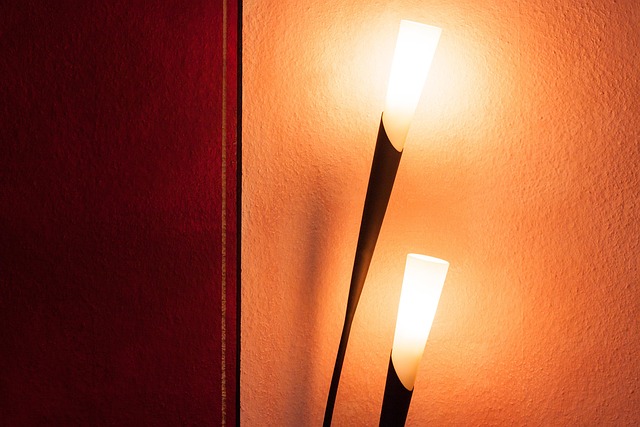
Personal comfort over fixed rules
There is no single approach that suits every interior. What matters is how floor lights support your evenings and daily rhythms. Observation often reveals more than inspiration images.
If you are reassessing your floor lights, start by noticing how light makes you feel at different moments of the day. Small adjustments in placement, direction, or brightness can significantly change the atmosphere. Over time, floor lights chosen with awareness tend to become quiet companions that support daily life rather than objects that demand attention.